Buy proxywebsite.org ?
We are moving the project
proxywebsite.org .
Are you interested in purchasing the domain
proxywebsite.org ?
domain@kv-gmbh.de · 0541-91531010
Buy proxywebsite.org ?
What is the difference between osmosis with cell wall and osmosis without cell wall? Please explain simply.
Osmosis with a cell wall occurs in plant cells, where the cell wall provides structural support and prevents the cell from bursting when water enters through osmosis. In contrast, osmosis without a cell wall occurs in animal cells, which do not have a cell wall and rely on the cell membrane to maintain their shape and prevent bursting. In both cases, osmosis is the movement of water across a semi-permeable membrane from an area of lower solute concentration to an area of higher solute concentration. **
What is the significance of the cell wall?
The cell wall is a rigid structure that surrounds the cell membrane of plant cells, fungi, and some bacteria. It provides structural support and protection to the cell, helping maintain its shape and prevent it from bursting under osmotic pressure. The cell wall also allows for the exchange of materials between the cell and its environment. Additionally, the cell wall plays a crucial role in plant growth and development, as well as defense against pathogens. **
Similar search terms for Cell wall
Top-Angebote
Products related to Cell wall:
-
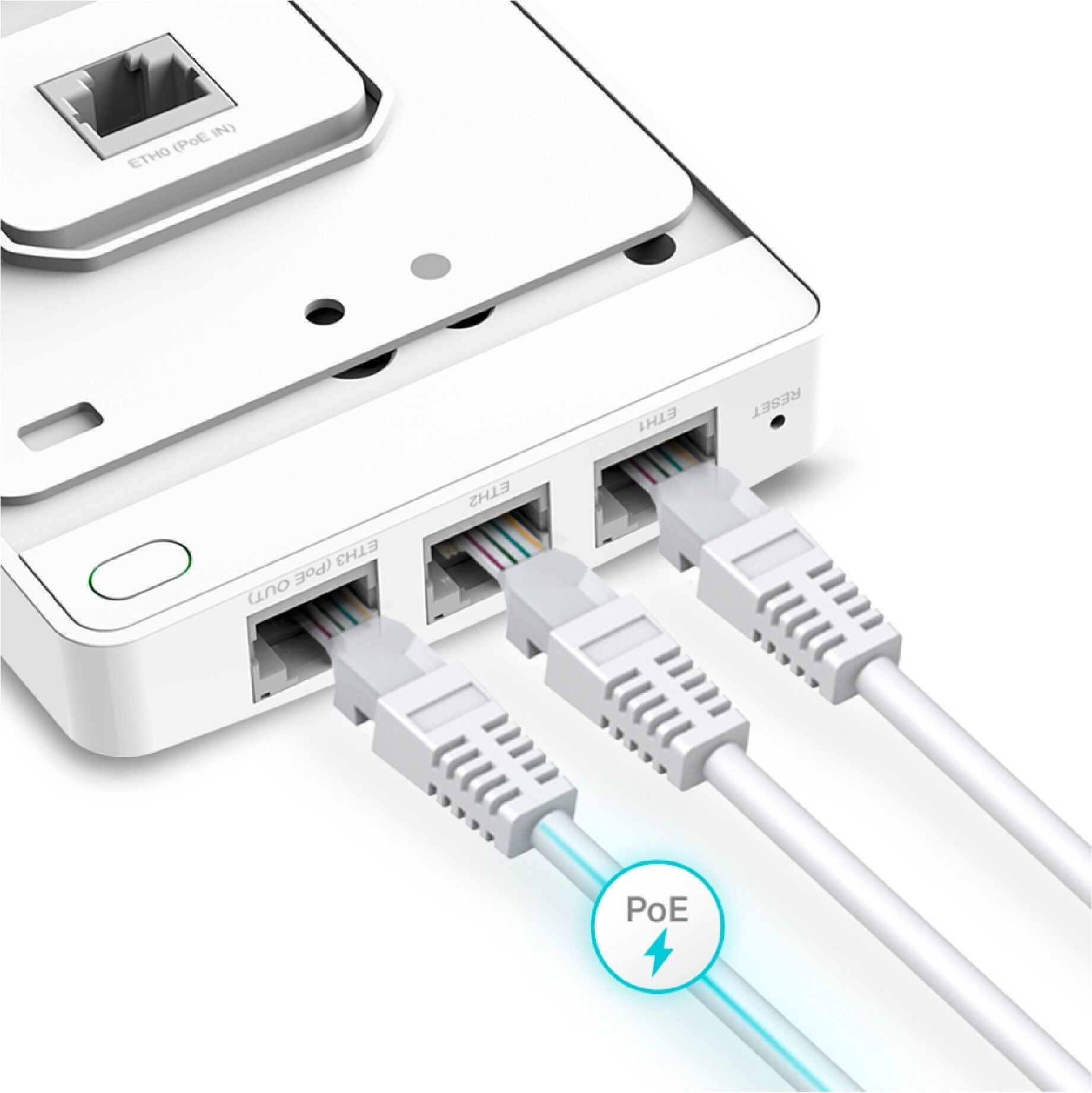
TP-LINK Omada EAP230-Wall AC1200 Dual-Band Gigabit Wall-Plate Access PointFast Dual-Band Wi-Fi: Simultaneous 300 Mbps on 2.4 GHz and 867 Mbps on 5 GHz totals 1,167 Mbps Wi-Fi speeds with MU-MIMO, 2 Gigabit Ethernet ports (1× uplink + 1× downlink) Integrated into Omada SDN: Zero-Touch Provisioning (ZTP), Centralized Cloud Management, and Intelligent Monitoring Private Connection for Every Room: Designed to meet every network need in environments with numerous separated rooms, like hotels, offices, and dormitories Secure Guest Network: Along with multiple authentication options (SMS/Facebook Wi-Fi/ Voucher, etc.) and abundant wireless security technologies Easy Installation and PoE Support: Easy-mount construction, compatible with 86 mm & EU standard junction box, and 802.3af/at PoE support with lifetime warranty86,99 £*Shipping: 0,00 £Secure redirect to the provider
-
TP-LINK Omada EAP235-Wall AC1200 Wireless MU-MIMO Gigabit Wall Plate Access PointDedicated Complete, Private Wi-Fi Network in Each Room An EAP in each room allows guests to enjoy their own private Wi-Fi network thats fast, delivering a strong signal, and providing corner to corner coverage. MU-MIMO + Dual-Band: Connect Faster and More 802.11ac wave 2 MU-MIMO technology enables multiple users to access the Internet simultaneously, which largely boosts up your network speed of up to 1,200 Mbps. Capable of transmitting in both 2.4 GHz and 5 GHz wireless band, it provides greate85,49 £*Shipping: 0,00 £Secure redirect to the provider


-
Why don't animal cells have a cell wall?
Animal cells do not have a cell wall because they do not need the same level of structural support as plant cells. The primary function of the cell wall in plant cells is to provide rigidity and support for the plant's structure, as well as protection from external forces. Animal cells have a flexible cell membrane that allows for movement and shape changes, which is not possible with a rigid cell wall. Additionally, animal cells rely on other structures such as the cytoskeleton to maintain their shape and provide support. **
-
What are bacteria with a double cell wall called?
Bacteria with a double cell wall are called Gram-positive bacteria. These bacteria have a thick layer of peptidoglycan in their cell wall, which retains the crystal violet stain during the Gram staining process. This thick layer of peptidoglycan gives them their characteristic purple color when viewed under a microscope. Examples of Gram-positive bacteria include Staphylococcus and Streptococcus. **
-
Why do animal cells not need a cell wall?
Animal cells do not need a cell wall because they have a flexible cell membrane that provides support and structure to the cell. The cell membrane allows for movement and flexibility, which is important for the various functions of animal cells such as cell division and movement. Additionally, animal cells rely on other structures such as the cytoskeleton to maintain their shape and provide support, making a cell wall unnecessary for their survival. **
-
Which organelle in an animal cell is equivalent to the cell wall in plant cells?
The organelle in an animal cell that is equivalent to the cell wall in plant cells is the extracellular matrix (ECM). The ECM is a network of proteins and carbohydrates that provides structural support and helps regulate cell behavior. It surrounds animal cells and provides mechanical support, as well as facilitating cell-cell communication and adhesion. While the ECM and the cell wall serve similar functions in providing support and structure, they are composed of different materials and have different structures. **


How can animal cells be stable without a cell wall?
Animal cells can be stable without a cell wall because they have a flexible and dynamic cytoskeleton made up of proteins like actin and microtubules, which provide structural support and help maintain cell shape. Additionally, animal cells have an extracellular matrix that provides structural support and helps anchor cells in tissues. The plasma membrane of animal cells also contains specialized proteins and lipids that help maintain cell stability and regulate the movement of molecules in and out of the cell. Overall, the combination of the cytoskeleton, extracellular matrix, and plasma membrane allows animal cells to maintain stability and structural integrity without a cell wall. **
Is Tüpfel another name for the pores of the cell wall?
No, Tüpfel is not another name for the pores of the cell wall. Tüpfel are small, thin areas in the cell wall that allow for communication between adjacent plant cells. They are not the same as pores, which are openings in the cell wall that allow for the passage of materials in and out of the cell. Tüpfel play a role in the movement of water and nutrients between plant cells. **
Top-Angebote
Products related to Cell wall:
-
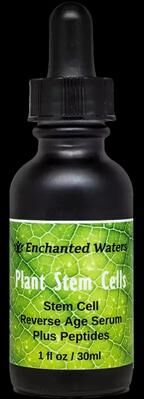
DynamicDeals Stem Cell Serum Anti Aging Real Stem Cell Cultures Matrixyl 3000 Hyaluronic Acid Stem Cell Serum Anti Aging Real Stem Cell Cultures Matrixyl 3000 Hyaluronic AcidFeatures:Enriched With REAL Plant Stem Cell CulturesFights Environmental Aggressors, Boosts CollagenRepairs Cell Damage & Enhances Skins Own DefensePeptide Rich with Matrixyl 3000Description:Weve taken these fantastic antiaging skincare geniuses and...40,97 $*Shipping: 0,00 $Secure redirect to the provider
-
TP-LINK EAP615-Wall AX1800 Wireless Dual-Band Gigabit Wall Plate Access PointEasy-Mount Design The Ceiling Mount EAP's elegant appearance and easy-mount design promote fast installation on any wall or ceiling surface, and allow it to blend in seamlessly with most interior decorating styles. The slimline, inconspicuous Wall Plate EAP can be easily installed into any standard EU/US wall junction box or 86mm wall junction box. PoE Power Supply With IEEE 802.3af/at PoE or Passive PoE, you can use Ethernet cables to transfer both electrical power and network data, making depl85,99 £*Shipping: 0,00 £Secure redirect to the provider
-
TP-LINK Omada EAP230-Wall AC1200 Dual-Band Gigabit Wall-Plate Access PointFast Dual-Band Wi-Fi: Simultaneous 300 Mbps on 2.4 GHz and 867 Mbps on 5 GHz totals 1,167 Mbps Wi-Fi speeds with MU-MIMO, 2 Gigabit Ethernet ports (1× uplink + 1× downlink) Integrated into Omada SDN: Zero-Touch Provisioning (ZTP), Centralized Cloud Management, and Intelligent Monitoring Private Connection for Every Room: Designed to meet every network need in environments with numerous separated rooms, like hotels, offices, and dormitories Secure Guest Network: Along with multiple authentication options (SMS/Facebook Wi-Fi/ Voucher, etc.) and abundant wireless security technologies Easy Installation and PoE Support: Easy-mount construction, compatible with 86 mm & EU standard junction box, and 802.3af/at PoE support with lifetime warranty86,99 £*Shipping: 0,00 £Secure redirect to the provider
-
TP-LINK Omada EAP235-Wall AC1200 Wireless MU-MIMO Gigabit Wall Plate Access PointDedicated Complete, Private Wi-Fi Network in Each Room An EAP in each room allows guests to enjoy their own private Wi-Fi network thats fast, delivering a strong signal, and providing corner to corner coverage. MU-MIMO + Dual-Band: Connect Faster and More 802.11ac wave 2 MU-MIMO technology enables multiple users to access the Internet simultaneously, which largely boosts up your network speed of up to 1,200 Mbps. Capable of transmitting in both 2.4 GHz and 5 GHz wireless band, it provides greate85,49 £*Shipping: 0,00 £Secure redirect to the provider
-
What is the difference between osmosis with cell wall and osmosis without cell wall? Please explain simply.
Osmosis with a cell wall occurs in plant cells, where the cell wall provides structural support and prevents the cell from bursting when water enters through osmosis. In contrast, osmosis without a cell wall occurs in animal cells, which do not have a cell wall and rely on the cell membrane to maintain their shape and prevent bursting. In both cases, osmosis is the movement of water across a semi-permeable membrane from an area of lower solute concentration to an area of higher solute concentration. **
-
What is the significance of the cell wall?
The cell wall is a rigid structure that surrounds the cell membrane of plant cells, fungi, and some bacteria. It provides structural support and protection to the cell, helping maintain its shape and prevent it from bursting under osmotic pressure. The cell wall also allows for the exchange of materials between the cell and its environment. Additionally, the cell wall plays a crucial role in plant growth and development, as well as defense against pathogens. **
-
Why don't animal cells have a cell wall?
Animal cells do not have a cell wall because they do not need the same level of structural support as plant cells. The primary function of the cell wall in plant cells is to provide rigidity and support for the plant's structure, as well as protection from external forces. Animal cells have a flexible cell membrane that allows for movement and shape changes, which is not possible with a rigid cell wall. Additionally, animal cells rely on other structures such as the cytoskeleton to maintain their shape and provide support. **
-
What are bacteria with a double cell wall called?
Bacteria with a double cell wall are called Gram-positive bacteria. These bacteria have a thick layer of peptidoglycan in their cell wall, which retains the crystal violet stain during the Gram staining process. This thick layer of peptidoglycan gives them their characteristic purple color when viewed under a microscope. Examples of Gram-positive bacteria include Staphylococcus and Streptococcus. **
Similar search terms for Cell wall
-
Everyday Crate Motion Sensor Wall Light For Outdoor Security & Garden Pathways Motion Sensor Wall Light For Outdoor Security & Garden PathwaysExperience safer, brighter outdoor spaces without rising energy bills. This solar motion sensor light is designed for homeowners who want reliable nighttime visibility around gardens, patios, walkways, and entrances. Equipped with intelligent body...44,97 $*Shipping: 0,00 $Secure redirect to the provider
-
Why do animal cells not need a cell wall?
Animal cells do not need a cell wall because they have a flexible cell membrane that provides support and structure to the cell. The cell membrane allows for movement and flexibility, which is important for the various functions of animal cells such as cell division and movement. Additionally, animal cells rely on other structures such as the cytoskeleton to maintain their shape and provide support, making a cell wall unnecessary for their survival. **
-
Which organelle in an animal cell is equivalent to the cell wall in plant cells?
The organelle in an animal cell that is equivalent to the cell wall in plant cells is the extracellular matrix (ECM). The ECM is a network of proteins and carbohydrates that provides structural support and helps regulate cell behavior. It surrounds animal cells and provides mechanical support, as well as facilitating cell-cell communication and adhesion. While the ECM and the cell wall serve similar functions in providing support and structure, they are composed of different materials and have different structures. **
-
How can animal cells be stable without a cell wall?
Animal cells can be stable without a cell wall because they have a flexible and dynamic cytoskeleton made up of proteins like actin and microtubules, which provide structural support and help maintain cell shape. Additionally, animal cells have an extracellular matrix that provides structural support and helps anchor cells in tissues. The plasma membrane of animal cells also contains specialized proteins and lipids that help maintain cell stability and regulate the movement of molecules in and out of the cell. Overall, the combination of the cytoskeleton, extracellular matrix, and plasma membrane allows animal cells to maintain stability and structural integrity without a cell wall. **
-
Is Tüpfel another name for the pores of the cell wall?
No, Tüpfel is not another name for the pores of the cell wall. Tüpfel are small, thin areas in the cell wall that allow for communication between adjacent plant cells. They are not the same as pores, which are openings in the cell wall that allow for the passage of materials in and out of the cell. Tüpfel play a role in the movement of water and nutrients between plant cells. **
* All prices are inclusive of VAT and, if applicable, plus shipping costs. The offer information is based on the details provided by the respective shop and is updated through automated processes. Real-time updates do not occur, so deviations can occur in individual cases. ** Note: Parts of this content were created by AI.